
Emsella before-and-after results can include improved bladder control, reduced urinary leakage, and stronger pelvic floor function after a series of non-invasive treatments, although individual results vary based on the cause and severity of symptoms.
For someone dealing with urinary leakage, the most important question is often simple: Does Emsella actually work?
Searching for Emsella before-and-after photos or testimonials is understandable. Patients want to know what they can realistically expect before investing their time in treatment. While individual patient results can differ—and WestDocs Concierge does not believe in promising a specific outcome—the available clinical data provides useful insight into how pelvic floor function and urinary symptoms may change following Emsella treatment.
At WestDocs Concierge in Mount Kisco, NY, Emsella is offered as a physician-guided, non-invasive approach to strengthening the pelvic floor and addressing bladder control concerns.
So, what can Emsella results actually look like?

What Does Emsella Before and After Mean?
When people search for Emsella before and after, they are generally looking for evidence that the treatment can make a meaningful difference in everyday life.
Unlike cosmetic treatments where before-and-after changes may be visible in photographs, Emsella results are often functional rather than visual.
The changes patients may be looking for include:
Fewer episodes of urinary leakage
Better bladder control during exercise
Less leakage when coughing or sneezing
Improved ability to participate in physical activities
Reduced dependence on pads
Greater pelvic floor strength
Increased confidence in daily activities
Improvements in quality of life
The goal is not necessarily to create a visible physical transformation. Instead, Emsella is designed to stimulate the pelvic floor muscles and improve the muscle control that supports continence.
That distinction is important when evaluating Emsella results.
What Happens Before Emsella Treatment?
Before treatment begins, the first step should be understanding what is causing your bladder control concerns.
Urinary incontinence can have multiple causes. Pelvic floor weakness may be associated with pregnancy and childbirth, aging, hormonal changes, physical strain, or other factors. Different types of incontinence can also require different approaches.
At WestDocs Concierge, patients receive an individualized evaluation before beginning Emsella treatment. The practice’s physicians consider the patient’s symptoms, health history, and treatment goals when determining whether Emsella is an appropriate option.
This initial evaluation provides an important baseline.
Rather than simply asking whether a patient “feels better,” a physician can discuss the symptoms that matter most to that individual.
For example, one patient may want to stop leaking while exercising. Another may want to reduce the number of pads used each day. Someone else may be more concerned about urgency or pelvic weakness after childbirth.
Your starting point matters when evaluating your eventual Emsella before-and-after results.
How Does Emsella Work?
Emsella uses high-intensity focused electromagnetic, or HIFEM, technology to stimulate the pelvic floor muscles.
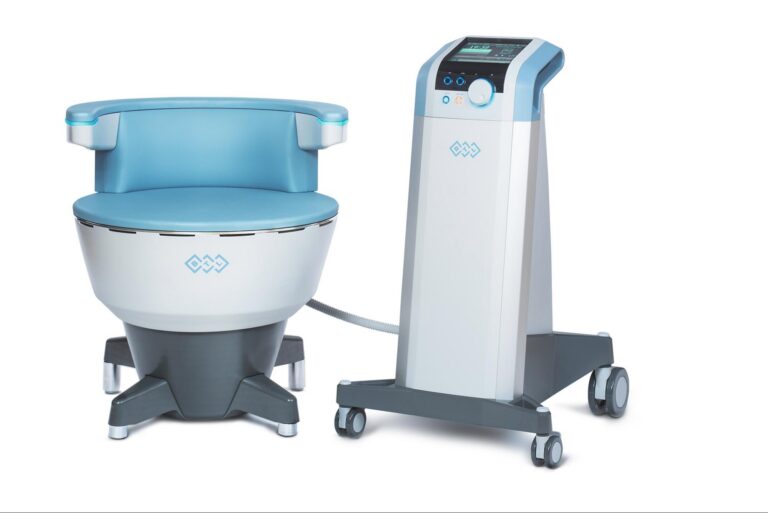
During treatment, patients sit fully clothed in the Emsella chair while electromagnetic energy produces repeated pelvic floor muscle contractions.
According to WestDocs Concierge, a typical treatment session lasts approximately 30 minutes, with many patients completing a series of sessions over several weeks. The treatment requires no surgery, anesthesia, or downtime.
The purpose of those contractions is to stimulate the muscles involved in pelvic floor support and bladder control.
Think of the treatment as targeted muscle re-education rather than a procedure that physically changes the bladder.
The objective is to help weakened pelvic floor muscles become stronger and improve neuromuscular control.
Emsella Before and After: What Results Does the Research Show?
Clinical research provides some encouraging information about what patients may experience following Emsella treatment.
One study published in Therapeutics and Clinical Risk Management evaluated 35 women with stress or mixed urinary incontinence. Participants received six BTL EMSELLA treatments, with sessions performed twice a week for 28 minutes.
The researchers reported significant improvements in urinary incontinence measures following treatment.
The findings are important because they look at functional symptoms rather than simply whether patients liked the treatment.
BTL’s own published materials also report that 95% of treated patients in its referenced research reported significant improvement in quality of life. BTL separately reports that approximately 75% of patients experienced a significant reduction in pad use.
These figures can help illustrate the potential of Emsella, but they should not be interpreted as a promise that 95% of WestDocs patients will experience the same outcome.
Clinical studies involve specific patient populations, treatment protocols, and outcome measures. Individual results can vary.
That is why a physician-guided evaluation remains important.
Emsella Results After 1 Session: Should You Expect a Difference?
Some patients may notice a change in how their pelvic floor feels after an early treatment, but one session should not necessarily be viewed as the final result.
Emsella is designed as a course of pelvic floor stimulation rather than a single-session solution.
Many treatment protocols involve approximately six sessions, commonly scheduled twice a week over three weeks. WestDocs Concierge notes that treatment plans are personalized according to individual symptoms and goals.
This means the timeline for improvement can differ.
Some people may notice changes relatively early, while others may require more time and a full treatment course before recognizing meaningful differences in bladder control.
If you are looking at Emsella before and after results, it is more useful to evaluate progress across the entire treatment plan rather than judging the therapy after a single appointment.
What Can Emsella Results Look Like After 3 Weeks?
A common initial treatment schedule consists of six sessions over approximately three weeks.
This is the timeframe often associated with the initial Emsella treatment course.
At this stage, patients may begin evaluating whether their original symptoms have changed.
For example, someone who experienced leakage while laughing, sneezing, or exercising may notice fewer episodes. Another patient may find that they have greater confidence participating in activities they previously avoided.
Research has also found that improvements may continue after the treatment course is completed.
In a clinical study involving women with stress and mixed urinary incontinence, six HIFEM sessions were administered over three weeks, with follow-up measurements demonstrating continued evaluation after treatment.
The important takeaway is that an Emsella “after” picture is not necessarily a single moment immediately following the last session.
Muscles respond to training over time, and the patient’s experience should be evaluated in the context of their overall treatment plan.
Emsella Results: What About Pad Use?
For many people with urinary incontinence, one of the most meaningful measures of improvement is how often they need to use absorbent pads.
Reducing pad use can represent a practical change in everyday life.
BTL’s published Emsella materials report a 75% pad reduction figure among treated patients. The company’s materials also emphasize that individual results may vary.
This type of outcome can be more meaningful to a patient than a technical measurement.
Consider someone who previously avoided a long walk because they were worried about leakage. If improved pelvic floor control allows that person to exercise more comfortably, the benefit extends beyond the bladder itself.
It can affect confidence, independence, activity levels, and quality of life.
That is why evaluating Emsella results should involve more than asking whether the pelvic floor is “stronger.” The real question is whether improved muscle function translates into meaningful changes in daily life.
Emsella Before and After: Can Results Continue to Improve?
Another important consideration is that improvement does not necessarily stop the moment the final treatment session ends.
Muscle strengthening and neuromuscular re-education are processes that can develop over time.
A recent study of 35 women with stress and mixed urinary incontinence found significant improvement following a six-session HIFEM treatment course, with follow-up assessment also showing improvement.
This is one reason patients should avoid judging the treatment too quickly.
Your physician may recommend monitoring your symptoms following treatment to determine how your body is responding and whether additional pelvic floor strategies may be appropriate.
The objective is long-term functional improvement—not simply a temporary sensation immediately following a treatment session.
What Does a Realistic Emsella Before and After Look Like?
A realistic Emsella before and after is not necessarily dramatic or identical for every patient.
Instead, improvement may show up in small but meaningful ways.
Before treatment, a patient might:
Leak urine when coughing or sneezing
Avoid jumping or running
Carry pads when leaving home
Plan activities around bathroom access
Feel uncomfortable discussing bladder leakage
Avoid certain exercises or social activities
After treatment, an appropriately responding patient may experience:
Better control during physical activity
Fewer leakage episodes
Less reliance on pads
Greater confidence when exercising
Improved awareness of pelvic floor muscles
Less disruption from urinary symptoms
These examples describe potential outcomes, not guarantees.
The severity and cause of incontinence, overall health, pelvic floor condition, treatment adherence, and other individual factors can influence results.
Emsella Results for Women After Pregnancy and Childbirth
Pregnancy and childbirth can place significant stress on the pelvic floor.
Some women notice urinary leakage during pregnancy, while others begin experiencing symptoms following delivery.
For postpartum patients, pelvic floor strengthening can be an important part of restoring muscle function.
WestDocs Concierge specifically identifies postpartum pelvic weakness and urinary incontinence among the concerns for which its Emsella treatment may be considered.
For these patients, the “before” may involve leakage during exercise, lifting, sneezing, or other everyday movements.
The “after” may involve greater confidence in returning to physical activity and fewer interruptions from bladder leakage.
However, postpartum symptoms deserve individualized medical attention. Not every pelvic health concern is caused by the same mechanism, and a physician can help determine the most appropriate treatment approach.
Emsella Results for Men
Pelvic floor weakness and urinary incontinence are not exclusively women’s health concerns.
Men can also experience urinary leakage and pelvic floor dysfunction, including following certain prostate procedures.
Emerging research is evaluating HIFEM-based pelvic floor therapy in men, although the evidence base is smaller than the available research involving women.
For example, a recent study of men experiencing persistent urinary incontinence following radical prostatectomy reported improvements in urinary symptoms and pad use after a six-session Emsella treatment course.
These findings are encouraging, but they come from a specific patient population and should not be generalized to every man experiencing urinary symptoms.
A medical evaluation is still essential for determining the cause of incontinence and the most appropriate treatment.
Why Clinical Data Matters When Looking at Emsella Before and After Results
Before-and-after marketing can sometimes make a treatment appear more predictable than it really is.
Healthcare is different.
A patient’s starting condition, medical history, age, pelvic floor strength, type of incontinence, and response to treatment can all influence the outcome.
That is why clinical research provides a more useful framework for understanding Emsella results.
Instead of asking, “Will I get exactly the same result as this patient?” a better question is:
“What does the evidence suggest, and how might those findings apply to my individual situation?”
This is also where physician-guided treatment becomes important.
At WestDocs Concierge, Emsella is incorporated into a personalized healthcare environment rather than treated as a one-size-fits-all service. The physicians overseeing Emsella treatment include Dr. Lisa Youkeles, Dr. Diana Arévalo, and Dr. Angela Shao.
Why Choose WestDocs Concierge for Emsella in Mount Kisco?
For patients searching for Emsella before and after information in Northern Westchester, the technology is only part of the decision.
The quality of the evaluation and medical guidance surrounding treatment matters as well.
WestDocs Concierge’s approach emphasizes personalized care, direct physician access, and treatment plans tailored to individual health goals. The practice is located in Mount Kisco and serves patients throughout the surrounding Westchester community.
The Emsella chair allows patients to remain fully clothed during treatment, and there is no surgical recovery period or required downtime.
For people who feel uncomfortable discussing urinary leakage, having that conversation in a private physician-led environment can also make an important difference.
How Should You Measure Your Emsella Results?
If you decide to pursue Emsella treatment, consider paying attention to the symptoms that matter most to you.
Your physician may help you establish a baseline before treatment.
Depending on your concerns, you might track:
How often leakage occurs
How much leakage occurs
Whether leakage happens during exercise
The number of pads used
Urinary urgency
Bathroom frequency
Activities previously avoided because of bladder leakage
Overall confidence and quality of life
Tracking these changes can provide a more meaningful picture of your personal before and after experience.
The goal is not simply to compare yourself with someone else’s testimonial.
It is to determine whether your bladder control and pelvic floor function are improving in ways that matter to your life.
The Bottom Line on Emsella Before and After Results
The available evidence suggests that Emsella can improve urinary incontinence symptoms and quality-of-life measures in some appropriately selected patients, particularly following a course of treatments rather than a single session. BTL also reports high patient satisfaction and reductions in pad use in its published materials.
But no responsible medical provider should promise an identical result for every patient.
Your “before” is unique to you, and your “after” should be evaluated according to the changes that matter most in your daily life.
If urinary leakage, pelvic floor weakness, or bladder control concerns are affecting your confidence or activities, a physician-guided evaluation can help you understand your options.
Take the Next Step With WestDocs Concierge
Emsella before-and-after results can mean fewer leaks, stronger pelvic floor function, reduced pad use, and greater confidence, but outcomes vary. If bladder control concerns affect your daily life, schedule a consultation with WestDocs Concierge in Mount Kisco to discuss your symptoms, evaluate whether Emsella is appropriate, and create a personalized treatment plan.