
Emsella is a non-surgical pelvic floor therapy that uses high-intensity focused electromagnetic technology to stimulate and strengthen pelvic floor muscles, helping improve bladder control and urinary incontinence without surgery, anesthesia, or downtime.
For many people, bladder leakage is something they quietly learn to manage. They may plan their day around nearby bathrooms, avoid certain physical activities, or feel uncomfortable talking about symptoms with a physician. Yet urinary incontinence and pelvic floor weakness are common concerns that can affect both women and men at different stages of life.
At WestDocs Concierge in Mount Kisco, NY, Emsella offers a physician-guided, non-invasive approach to strengthening the pelvic floor and supporting better bladder control.
But what exactly is Emsella, how does it work, and who may benefit from treatment? Understanding the technology and the role of the pelvic floor can help you determine whether this approach may be worth discussing with your physician.
What Is Emsella?
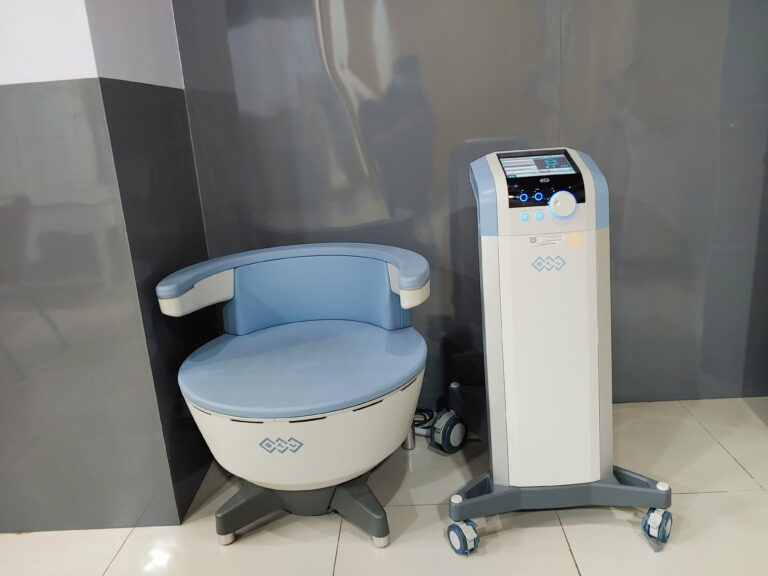
The Emsella chair is a non-invasive pelvic floor therapy device designed to stimulate and strengthen the muscles responsible for supporting the bladder, pelvic organs, and core.
Rather than requiring needles, incisions, or anesthesia, Emsella uses high-intensity focused electromagnetic (HIFEM) technology to stimulate deep pelvic floor muscle contractions. During treatment, patients sit on the specially designed chair while the device delivers electromagnetic energy to the pelvic floor.
These contractions are intended to help strengthen the pelvic muscles and improve neuromuscular control.
WestDocs Concierge describes Emsella as an advanced pelvic floor treatment for concerns including urinary incontinence, pelvic floor weakness, sexual wellness, and quality-of-life concerns. Treatment is physician-guided and tailored to the individual patient.
The technology is particularly appealing to patients looking for a non-surgical option for pelvic floor strengthening.
How Does Emsella Help With Bladder Control?
To understand how Emsella may help, it is useful to understand the role of the pelvic floor.
The pelvic floor is a group of muscles that provides support for the bladder and other pelvic organs. These muscles also play an important role in maintaining control over urination.
When the pelvic floor becomes weakened, some people may experience urinary leakage, urgency, frequency, or reduced pelvic stability.
Pelvic floor weakness can develop for several reasons, including:
Aging
Pregnancy and childbirth
Hormonal changes
Weight fluctuations
Chronic coughing
Physical strain
Other factors affecting pelvic muscle function
Emsella is designed to stimulate the pelvic floor with repeated electromagnetic contractions. The goal is to strengthen the muscles and support improved neuromuscular control.
Research into HIFEM-based pelvic floor therapy has reported improvements in urinary incontinence symptoms in some patient groups. For example, a study published in Therapeutics and Clinical Risk Management evaluated HIFEM treatment in women with stress and mixed urinary incontinence and reported improvements in urinary-incontinence questionnaire scores following a six-session treatment course. (PubMed)
You can review the published research through the National Library of Medicine’s PubMed database.
It is important to remember that individual results can vary. Emsella should be considered as part of an individualized medical evaluation rather than a guarantee that bladder symptoms will completely resolve.

Emsella and Urinary Incontinence
Urinary incontinence refers to the involuntary leakage of urine. It can range from occasional leakage during a sneeze or workout to more frequent symptoms that interfere with daily activities.
One common form is stress urinary incontinence.
Stress incontinence can occur when activities such as coughing, sneezing, laughing, exercising, or lifting increase pressure on the bladder. If the pelvic floor muscles are not providing adequate support, urine may leak.
Other patients experience urinary urgency or frequency. They may suddenly feel that they need to use the bathroom or find themselves urinating more frequently than usual.
Because urinary symptoms can have many possible causes, it is important to discuss them with a healthcare professional rather than assuming pelvic floor weakness is the only explanation.
At WestDocs Concierge, Emsella treatment begins with an individualized evaluation to determine whether the therapy is appropriate for the patient’s symptoms, health history, and treatment goals.
What Causes Pelvic Floor Weakness?
Pelvic floor weakness is not limited to one age group or one type of patient.
For women, pregnancy and childbirth can place considerable physical stress on the pelvic floor. Some women experience urinary leakage or pelvic weakness during or after pregnancy, while others notice changes later in life.
Age-related changes and hormonal shifts can also affect pelvic floor function.
Men can experience pelvic floor weakness as well. Changes associated with aging and other health circumstances may contribute to urinary symptoms or reduced pelvic muscle control.
Lifestyle and physical factors can also play a role. Chronic coughing, changes in body weight, and repeated physical strain may place additional demands on the muscles supporting the pelvic region.
Because the underlying cause of urinary symptoms differs from person to person, identifying the reason for those symptoms is an important part of deciding what treatment may be appropriate.
What Happens During an Emsella Treatment?
One of the features patients often appreciate about Emsella is the simplicity of the treatment experience.
At WestDocs Concierge, patients remain fully clothed while sitting comfortably on the Emsella chair. The device then delivers electromagnetic stimulation designed to produce deep pelvic floor muscle contractions.
A typical treatment session lasts approximately 30 minutes, according to WestDocs Concierge. There are no incisions, needles, anesthesia, or required recovery period. Patients can generally return to their regular activities after treatment.
Patients may feel a tingling sensation and strong pelvic muscle contractions during the session. The experience is not the same for everyone, which is another reason physician guidance is important.
Treatment plans can involve multiple sessions over several weeks, depending on the patient’s symptoms, health history, and goals.
Rather than assuming that every patient needs the same number of treatments, WestDocs Concierge develops individualized treatment plans following an evaluation.
Is Emsella the Same as Doing Kegel Exercises?
Emsella and pelvic floor exercises have a similar overall goal: strengthening the pelvic floor muscles.
Kegel exercises involve voluntarily contracting and relaxing the pelvic floor muscles. They can be an important part of pelvic floor care when performed correctly.
Emsella takes a different approach by using electromagnetic stimulation to produce repeated pelvic floor contractions while the patient sits in the treatment chair.
Research is also exploring how electromagnetic stimulation can work alongside traditional pelvic floor muscle training. A recent prospective study involving postmenopausal women with urinary incontinence found that both Emsella treatment alone and Emsella combined with structured Kegel exercises were associated with improvements in symptoms, with the combined approach showing greater improvement in that study. (PubMed)
This does not mean Emsella replaces pelvic floor exercises for everyone. Instead, your physician can help determine whether Emsella, pelvic floor exercises, or another approach makes sense based on your individual situation.
Who May Be a Candidate for Emsella?
Emsella may be considered for adults experiencing symptoms associated with pelvic floor weakness or bladder control concerns.
Potential candidates may include:
Women experiencing bladder leakage after pregnancy or childbirth
Adults experiencing stress urinary incontinence
People experiencing urinary urgency or frequency
Individuals experiencing age-related pelvic floor weakness
Patients looking for a non-surgical pelvic floor therapy option
Men and women interested in improving pelvic floor function
However, having urinary leakage does not automatically mean Emsella is the appropriate treatment.
A medical evaluation can help determine what may be contributing to your symptoms and whether pelvic floor therapy is suitable for you.
WestDocs Concierge’s physicians evaluate patients individually before developing a treatment plan.
What Are the Benefits of Emsella?
For patients who are appropriate candidates, Emsella offers several practical advantages.
Non-Surgical Treatment
Emsella does not require incisions or surgical intervention. Patients remain fully clothed during treatment, making the process relatively simple and discreet.
No Anesthesia
Unlike some procedures used to address pelvic health concerns, Emsella does not require anesthesia.
No Downtime
Because the treatment is non-invasive, patients can return to their normal activities after a session.
Pelvic Floor Strengthening
The primary purpose of Emsella is to stimulate and strengthen weakened pelvic floor muscles and support neuromuscular control.
Physician-Guided Care
At WestDocs Concierge, Emsella is incorporated into a broader physician-guided approach rather than being treated as a standalone wellness procedure. Dr. Lisa Youkeles, Dr. Diana Arévalo, and Dr. Angela Shao provide physician oversight for Emsella treatments at the practice.
What Does the Research Say About Emsella?
Emsella is part of a broader area of research examining electromagnetic stimulation for pelvic floor rehabilitation and urinary incontinence.
The evidence is encouraging but should be interpreted carefully.
For example, a study of women with stress and mixed urinary incontinence reported improvements in symptoms following HIFEM treatment. Another recent study examining postmenopausal women found that combining Emsella with structured Kegel exercises was associated with greater symptom improvement than Emsella alone.
The U.S. Food and Drug Administration also maintains regulatory documentation for non-implanted pelvic floor stimulation devices intended for rehabilitation of weak pelvic floor muscles and restoration of neuromuscular control during treatment of urinary incontinence.
However, research findings do not mean every patient will experience the same outcome. Your medical history, underlying condition, severity of symptoms, and treatment plan can all influence results.
If you are experiencing persistent urinary leakage, urgency, or other bladder symptoms, speaking with a physician is an important first step.
Why Choose Emsella in Mount Kisco at WestDocs Concierge?
For patients in Mount Kisco and throughout Northern Westchester, choosing where to receive pelvic floor treatment is about more than the technology itself.
At WestDocs Concierge, Emsella treatment is offered within a physician-led healthcare environment focused on personalized attention.
The practice’s concierge model emphasizes direct physician access, individualized care, and open communication. This approach allows the physicians to consider Emsella within the broader context of a patient’s health rather than treating bladder symptoms in isolation.
WestDocs Concierge is located at 344 East Main Street, Suite 303, Mount Kisco, NY 10549, making it convenient for patients throughout Mount Kisco and surrounding Westchester communities.
Is Emsella Right for You?
Bladder leakage is common, but that does not mean you have to simply accept it as part of getting older, having children, or becoming less active.
If you are experiencing urinary leakage, urgency, frequency, or symptoms associated with pelvic floor weakness, there may be treatment options worth exploring.
Emsella offers one non-surgical approach designed to strengthen pelvic floor muscles and support bladder control. Because urinary symptoms can have different underlying causes, the best place to start is with a conversation with a qualified physician.
At WestDocs Concierge, your physician can review your symptoms, health history, and goals before determining whether Emsella treatment is appropriate.
Emsella Treatment in Mount Kisco, NY
For patients searching for Emsella in Mount Kisco, WestDocs Concierge provides physician-guided pelvic floor therapy in a private, personalized healthcare setting.
The goal is not simply to offer another treatment option. It is to understand what is affecting your quality of life and determine whether strengthening the pelvic floor may help address your concerns.
If bladder leakage or pelvic floor weakness has started affecting the way you exercise, travel, work, sleep, or participate in everyday activities, it may be time to talk with a physician.
Take the Next Step With WestDocs Concierge
Emsella provides a non-surgical approach to pelvic floor strengthening that may help improve bladder control and urinary incontinence. If you are experiencing leakage, urgency, or pelvic weakness, schedule a consultation with WestDocs Concierge in Mount Kisco to discuss your symptoms, learn whether Emsella is appropriate for you, and create a personalized treatment plan with physician guidance.